
What is the metaverse? If you want to know about immersive spaces where the digital and real worlds merge, you’ve come to the right place. In this article, we’ll walk you through the fundamentals of the metaverse, its history, and the digital technologies driving it. We’ll also provide insights into its benefits, risks, and future outlook, including top metaverse companies and projects.
What is the Metaverse?
The word “metaverse” represents 3D-enabled virtual spaces where you can socialize, work, play, explore, create, learn, and shop as an avatar. A metaverse avatar is a unique, personalized, and digital representation of your identity. It looks like a character/figure that can be fully customized to reflect your tastes and preferences.
The History and Evolution of the Metaverse
- 1962: Morton Heilig, an American cinematographer, designed the Sensorama. It is a 3D simulation of riding a motorbike in New York City.
- 1963: Ivan Sutherland, a computer scientist, developed Sketchpad. It is a program that laid the groundwork for spatial computing, human-computer interactions, and visual graphics.
- 1980s: Jaron Lanier, a visual artist and computer scientist, devised the earliest VR headsets and wired gloves.
- 1989: A British computer scientist, Tim Berners-Lee, developed the World Wide Web.
- 1992: The term “metaverse” was coined by author Neal Stephenson in his science fiction novel “Snow Crash”. He used the term to envision a virtual environment where the skills of a person’s avatar determine their status.
- 1996: Archetype Interactive developed Meridian 59, the first Massively Multiplayer Online Role Playing Game (MMORPG).
- 2003: Philip Rosedale, a computer programmer, launched Second Life. It is an online platform that enables you to discover, explore, and create virtual worlds. Its marketplace features a variety of virtual objects and helps monetize your creations.
- 2009: A pseudonymous person or group, Satoshi Nakamoto, conceptualized the first decentralized blockchain and digital currency, Bitcoin.
- 2010s: Virtual reality technology started regaining traction with the rising popularity of Oculus VR headsets, now rebranded as Meta Quest. Top companies like Epic Games, Google, Survios, and Sony played a pivotal role in promoting VR adoption.
- 2014: Kevin McCoy, a digital artist, developed Quantum, the first non-fungible token (NFT) on the Namecoin blockchain.
- 2015: Vitalik Buterin, a computer programmer, created Ethereum, the first blockchain to support smart contracts. These contracts facilitated the development of decentralized applications (dApps) and NFTs.
- 2021 – 2022: Ethereum gained prominence as the trustware for powering immersive digital worlds. Many premium NFT and metaverse projects, like Cryptopunks and Decentraland, were built on Ethereum. Mark Zuckerberg rebranded Facebook as Meta, triggering a metaverse boom.
Core Technologies Behind the Metaverse
1. Extended reality (XR)
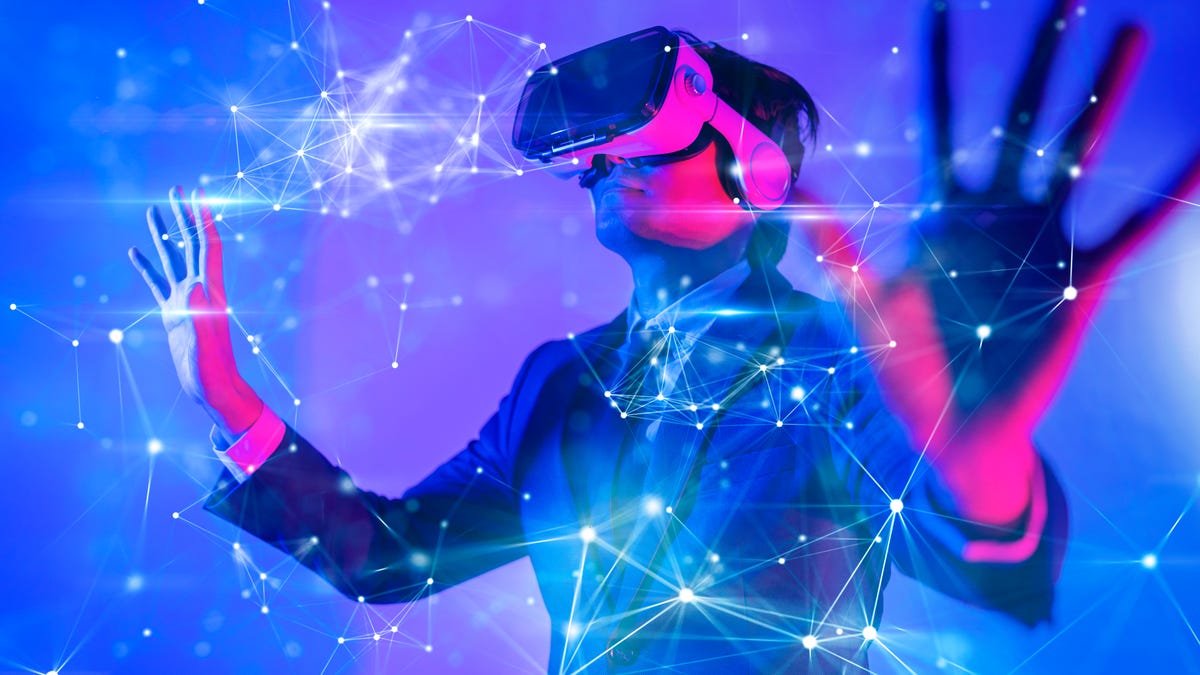
Extended reality is a key technology driving metaverse growth. It comprises the following visualization technologies:
- Augmented reality (AR): AR overlays virtual objects and computer-generated content, including sounds, texts, and images, onto the real world. It augments your perception of reality by integrating digital data and interactive elements with your physical environment. AR devices, like tablets and smartphones, have built-in sensors, cameras, and displays, offering mesmerizing visual experiences.
- Virtual reality (VR): VR technology creates 3D simulations of real environments, letting users enjoy lifelike experiences in a virtual world. It involves the usage of wearables such as virtual reality headsets and haptic gloves. VR headsets create an immersive virtual environment by transforming your field of vision. Haptic gloves provide tactile/haptic feedback of a digital object.
- Mixed reality (MR): It leverages VR and AR to merge the virtual and physical worlds. Powered by computer vision, graphical processing, spatial computing, and other technologies, mixed reality fosters interactions between humans and virtual environments. Microsoft HoloLens and Apple Vision Pro are top-notch smart glasses/googles that offer enhanced mixed reality experiences in 3D spaces.
2. Blockchain technology
It is the underlying technology that powers decentralized autonomous organizations (DAOs) and virtual economies. Blockchain-based cryptocurrencies are used to conduct transactions and reward users, while NFTs represent digital asset ownership rights in the metaverse. Blockchains record data, including smart contract codes, in immutable digital ledgers stored across a distributed computer network. They also provide the necessary infrastructure to create interoperability between different virtual worlds and build a trustless ecosystem.
3. Artificial intelligence (AI)
Metaverses can harness AI and machine learning algorithms to simulate complex physical worlds and personalize virtual experiences. AI can also be used to animate metaverses and create smart interactive objects, generating dynamic and adaptive responses to users’ actions. Additionally, it can aid in data collection, synchronization, and management.
4. 3D modeling
3D modeling refers to the process of developing three-dimensional representations of real-life objects in digital realms using specialized software. Moreover, virtual real estate, a critical component of the metaverse, is developed using advanced 3D modelling/remodelling technology.
Conversely, rendering is the process of making 3D models more realistic and lifelike. It creates 2D visuals or animations by simulating the interaction between light and 3D models.
In essence, 3D modeling and rendering are crucial metaverse technologies that bridge the gap between the digital and physical worlds. They help create architectural visualizations, photorealistic imageries, virtual walkthroughs, integrated motion graphics, animations, artistic visuals, and cinematic effects.
5. Edge computing
Immersive metaverses can offer a seamless user experience only if they’re able to process large volumes of data speedily. Additionally, 3D worlds have low latency requirements to prevent cybersickness in users.
Edge computing can resolve these challenges by bringing computing power closer to end users/locations where data is generated. They serve as mini data centers that also deliver real-time analytics. Additionally, edge computing offloads computational power from VR and AR devices, boosting their mobility and lowering their weight. Overall, this emerging new technology minimizes the need for networks that transmit data to a central location.
6. Internet of Things (IoT)
IoT refers to a powerful network of interconnected physical devices that can link the real world with virtual spaces effortlessly. It is one of the core pillars of the metaverse, as it connects numerous devices using wired/wireless channels. It enables seamless data sharing and access between the virtual and physical worlds. Its integration with 5G technology helps establish high-bandwidth connections with low latency.
How Does the Metaverse Work?
A metaverse leverages various technologies, including AR, VR, MR, XR, IoT, AI, 3D modeling, spatial computing, and blockchains to operate. Popular metaverses like Roblox, Illuvium, and Sandbox are built on decentralized blockchain networks. They have their own native cryptocurrencies, which serve as the primary medium of exchange in these virtual worlds. Most metaverse tokens are also listed on major cryptocurrency exchanges, enabling you to buy/sell them seamlessly.
Moreover, metaverses are governed by DAOs. It is a blockchain governance system that functions without a central authority. It confers voting and decision-making powers to community members who own the platform’s governance tokens. A few individuals are also chosen to represent the community. They’re responsible for forming core committees that ensure the community runs smoothly.
To access metaverses, you need a desktop, laptop, tablet, or mobile device along with wearables like VR headsets, haptic vests, etc. You can socialize, enjoy interactive gameplay, join events, buy land/collectibles, and explore captivating landscapes in metaverses.
Popular Metaverse Platforms and Projects
Decentraland
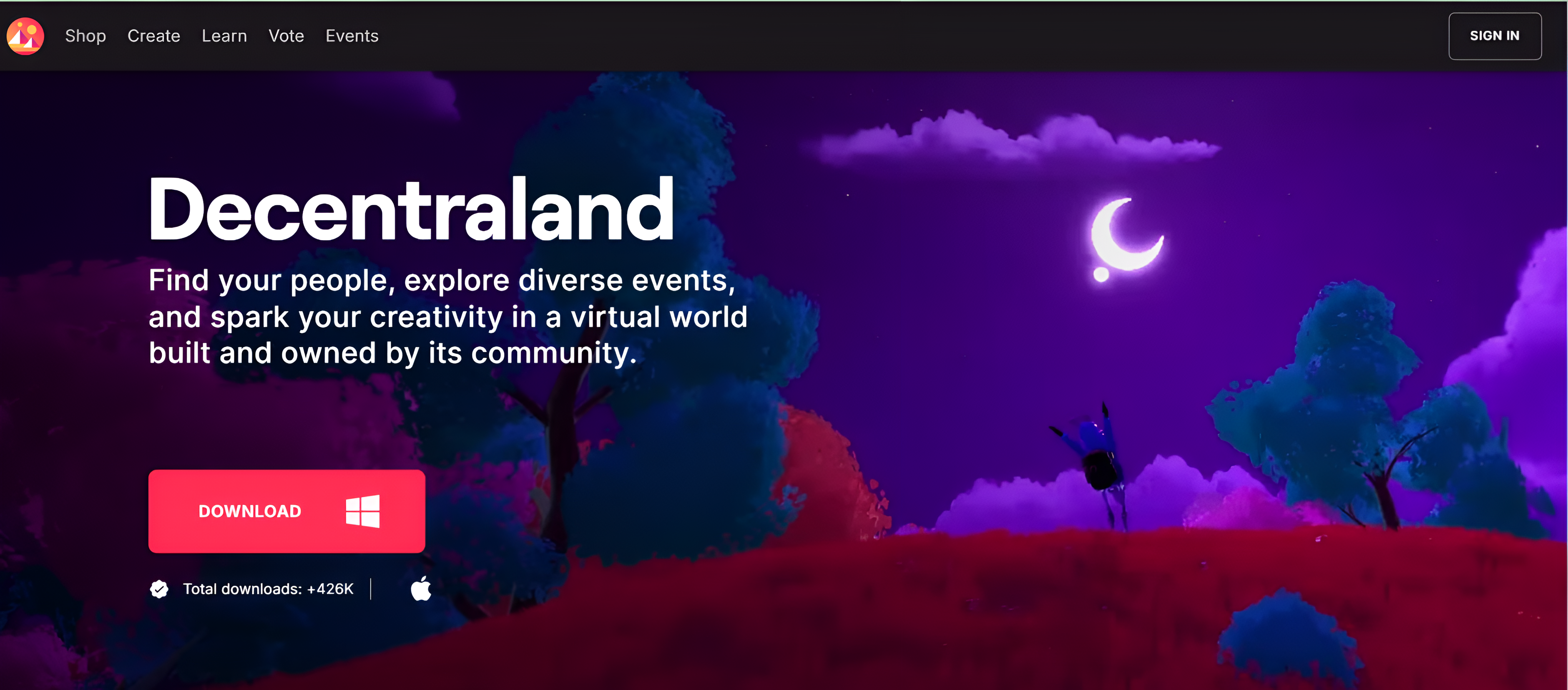
Decentraland is an immersive metaverse built on Ethereum, with MANA as its governance token. From attending music festivals to playing games and meeting new buddies, you can do a lot in Decentraland.
Its creator hub enables you to design enthralling scenes, unique wearables, and animations. You can also shop for emotes and accessories to customize and enhance your avatar. Besides, you can buy/rent tokenized land parcels in its Genesis city.
Lastly, Decentraland is home to numerous NFT museums and digital art galleries, including Sotheby’s, offering enjoyable virtual experiences.
Axie Infinity
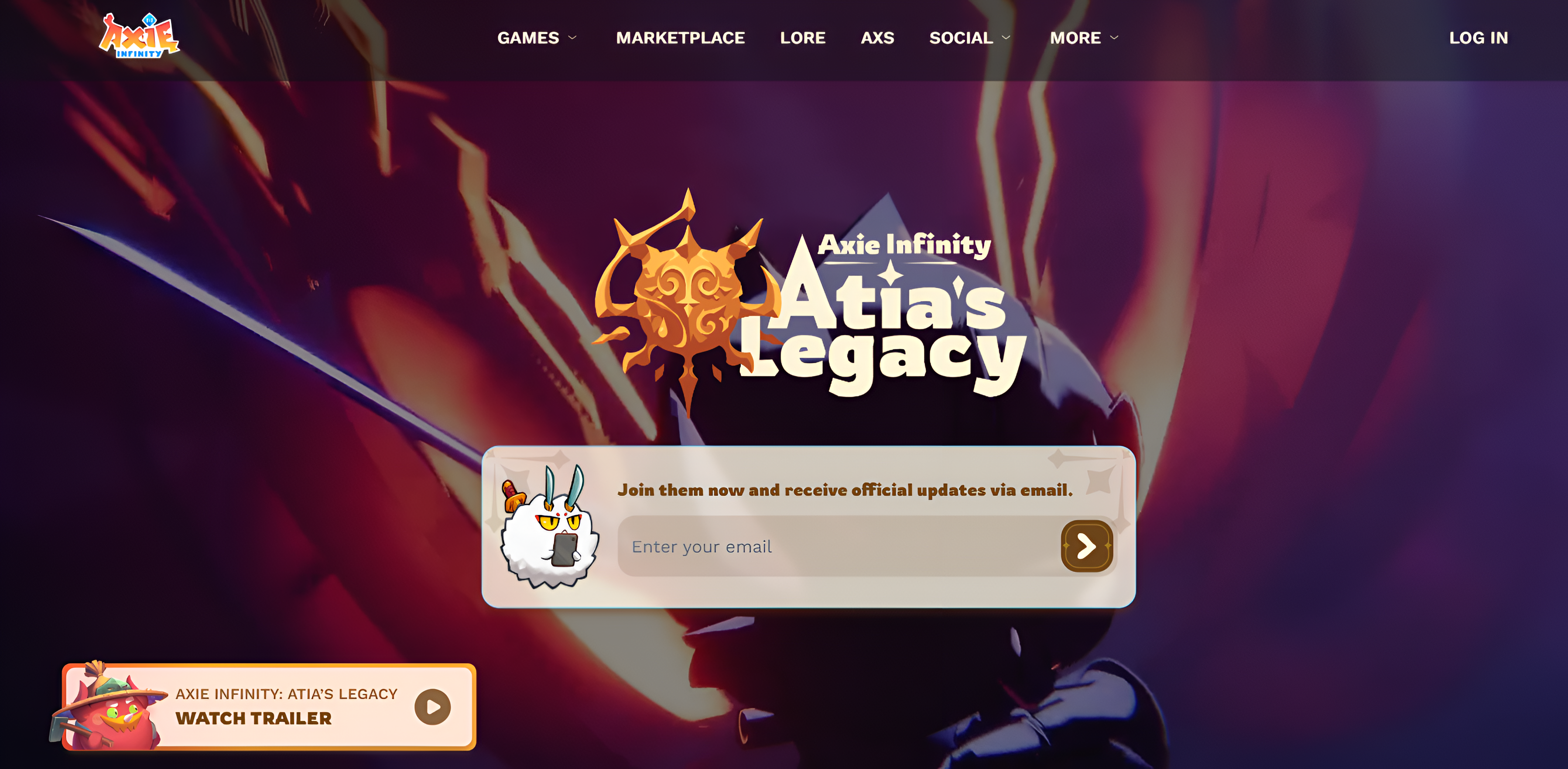
Axie Infinity is a Web3 gaming project mounted on Ronin, an Ethereum sidechain. It is a virtual world inhabited by powerful yet cute-looking creatures called Axies. You can battle, collect, trade, or sell the Axies. You can even use them to mine tokens during gameplay. Moreover, Axies are your gateway to a captivating ecosystem, providing access to new features and games.
Besides, its marketplace features a variety of in-game items, including accessories, runes, charms, and plots of land. You can also complete missions and challenges on its Codex platform to win AXES tokens, exclusive perks, and rare collectibles.
Sandbox
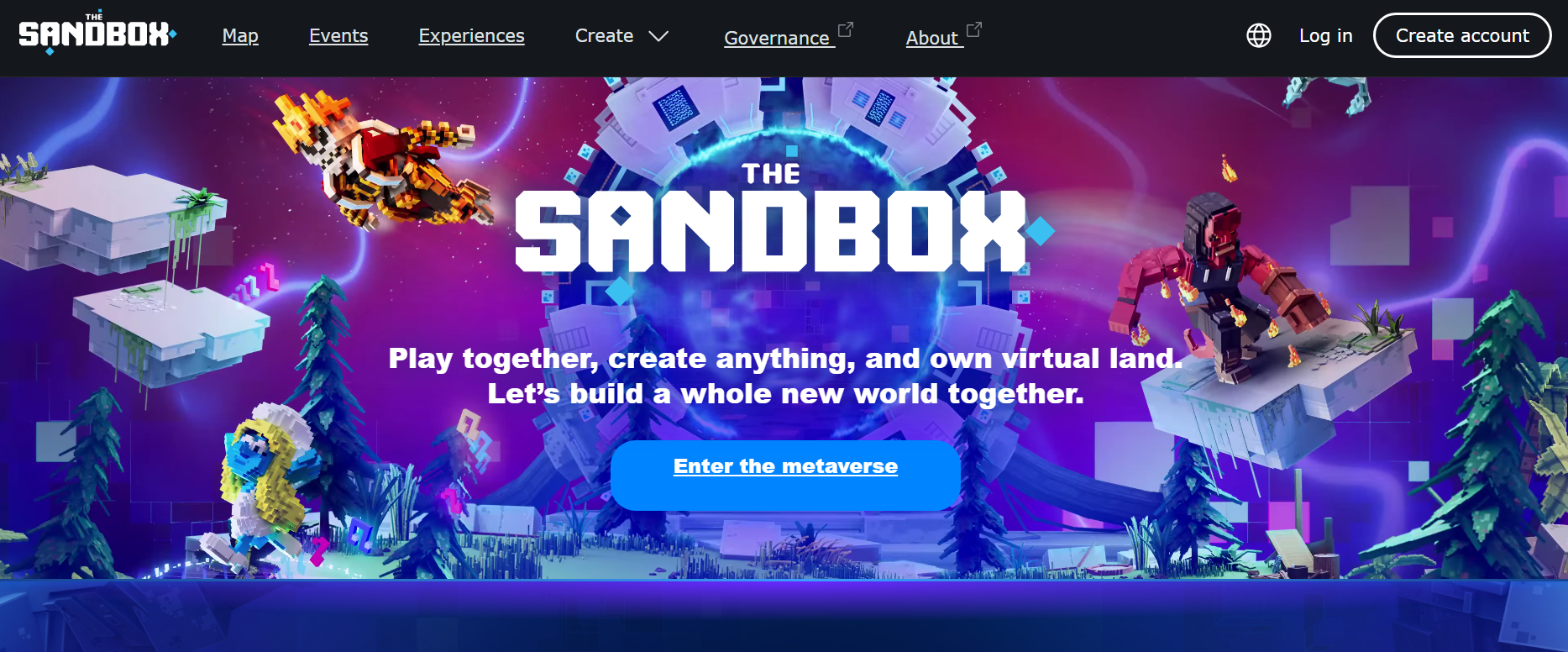
Sandbox is an enchanting online gaming platform residing on the Ethereum blockchain. It is known for hosting scores of user-generated content, events, brands, multi-player games, and art galleries. Additionally, you can use Sandbox’s creative tools, including a modeler, animator, and block editor, to mint voxel-based NFTs.
If you buy virtual real estate or land NFTs in the Sandbox metaverse, you can use them to showcase your creativity. You can bring these digital spaces to life with whatever you imagine. From towering structures and lush gardens to buzzing social hubs and virtual humans, you can create and trade anything.
What Can You Do in the Metaverse?
- Attend events: You can attend various cultural, promotional, corporate, and commercial events in a metaverse. These include music festivals, concerts, fashion shows, auctions, and parties.
- Create digital content: Metaverses provide the necessary tools to help you create various forms of digital content. From immersive scenes and interactive experiences to wearables, avatars, and NFTs, you can build anything in these virtual spaces. You can also monetize your creations by selling or trading them in NFT marketplaces.
- Shop: You can buy tokenized assets, including land parcels, collectibles, wearables, accessories, names, and emotes.
- Learn: Metaverses publish FAQs, articles, whitepapers, news, updates, creator guides, and community highlights, enabling you to navigate the platforms seamlessly.
- Vote: You can participate in platform governance by voting on active proposals and engaging with the community.
- Play games: You can play different games in the metaverse and win rewards. These encompass play-to-earn games, timed quests, VR adventures, and multiplayer RPGs.
- Explore and make social connections: You can tour immersive landscapes, meet new people, visit art galleries, shop, and engage in entertaining activities.
Benefits and Risks of the Metaverse
Benefits
- Remote workspaces: Metaverses have broken down geographical barriers, fostering remote collaborations between stakeholders and co-workers, regardless of their locations.
For example, Microsoft Teams is a popular collaboration platform that helps you organize, schedule, and join events. These include office meetings, video conferences, and customer engagement campaigns. Microsoft Teams also allows users to host immersive events, where participants can express themselves with avatar reactions and click selfies. You can use the platform’s no-code tools to design 3D virtual spaces.
- Training and education: AR, VR, spatial computing, and cloud computing have enabled the development of precise digital representations of real-world environments and objects. They help create engaging platforms for virtual training simulations, online classes, and immersive learning.
Whether you want to master trading or learn complex skills like carpentry, metaverses help you do so anytime, anywhere. They also facilitate knowledge transfers at a fraction of the cost. Heavy industries are actively leveraging virtual and augmented reality to impart vocational training to people and provide remote support.
- Accurate simulations: Metaverse technology helps create lifelike and precise simulations of business models, tasks, and environments across industries. From shop floors, production, and prototype functions to hospitals, landscapes, and cities, XR and digital twin technologies can simulate anything.
- Environment and sustainability: By integrating the metaverse into their operations, businesses can attain their CSR and ESG goals. As these virtual worlds harness advanced technologies and connectivity, they can help reduce energy consumption. They can educate users on sustainability issues by simulating climate change risks like deforestation, ozone layer depletion, and global warming. Thus, the metaverse helps promote environment-friendly practices worldwide.
Risks
- Identity theft: The decentralized nature of metaverses makes it easier for cybercriminals to impersonate users and access their confidential information. Thus, your personal data is vulnerable to unauthorized usage. Plus, there are no security measures to prevent other users from creating avatars that resemble your appearance and identity.
- Health hazards: Prolonged exposure to immersive virtual spaces can cause cybersickness. It is a type of motion sickness that triggers nausea, dizziness, headaches, and disorientation. Moreover, users are susceptible to cyberbullying and online harassment in the metaverse, adversely impacting their mental health and well-being.
- Data privacy breaches: Metaverses collect data on users’ behaviour patterns, preferences, physical attributes, and actions. Such sensitive data can be misused for unwanted advertising or sold to third parties without your consent.
- Cyber threats: Your metaverse account is highly prone to DDoS, bot, and ransomware attacks. Bad actors may even hack your account and steal personal information. Similarly, the crypto exchanges/wallets you use to store your metaverse tokens can be hacked.
- No regulatory frameworks: Not all metaverse platforms are legally compliant. Besides, these virtual worlds lack clear regulatory frameworks. Additionally, laws governing digital assets, like cryptocurrencies and NFTs, are ambiguous and vary across countries. Hence, if you face any problem, you can’t seek legal recourse.
- Operational disruptions: Since metaverses handle colossal data volumes and are mounted on blockchains, they often face operating system outages. Frequent lags increase gas fees and slow down transaction processing, causing financial losses. Also, they undermine the quality of visuals, disrupting your streaming, gaming, and immersive experiences.
Metaverse companies
1. Epic Games
It is a US-based interactive entertainment and tech company, known for its 3D engine technology. It is the operator of Fortnite, the world’s largest video game. Recently, the firm has tied up with Unity to build an open, fair, and interoperable gaming metaverse. This partnership also enables developers to feature Unity titles in Fortnite alongside games built using Unreal Engine.
2. Apple
Apple invested hundreds of billions of dollars to manufacture the Apple Vision Pro headsets to enhance VR and AR experiences. They’re equipped with advanced features such as spatial audio and dual knit band, seamlessly blending digital and physical worlds.
3. Nvidia
The Nvidia Omniverse provides software development kits and tools needed to develop metaverse applications. It also offers APIs and advanced capabilities to integrate OpenUSD, generative physical AI, and Nvidia RTX rendering technologies into your applications. Overall, it helps build assets, digital twins, immersive environments, and accurate 3D simulations for AI-enabled virtual spaces.
4. Meta
In 2021, Mark Zuckerberg recast Facebook as Meta to focus on metaverse development. As a part of the initiative, he established Horizon World, a social VR application. It enables users to explore the virtual world, create content, play games, and earn money.
Additionally, he designated Reality Labs as Meta’s division for building the future of augmented and virtual reality. It predominantly focuses on developing virtual reality headsets and smart glasses to enhance your metaverse experiences.
However, Meta suffered a $73 billion loss recently, prompting it to announce 30% budget cuts and pivot to AI.
The Future of the Metaverse
- Marketing: Companies are increasingly using metaverse capabilities to create customized immersive experiences for their target audience. Technological advances help firms conduct experiential marketing by developing their own virtual worlds. The integration of AI with the metaverse enables organizations to build personalized, adaptive content, boosting customer engagement and conversion rates.
- Healthcare: Metaverse applications can create virtual simulations of medical training, consultation, therapies, surgical procedures, and a diverse range of activities. Healthcare professionals can also use virtual and augmented reality wearables for conducting remote operations with precision. Thus, the metaverse can redefine global healthcare.
- Retail: Metaverses could help companies build brand awareness and loyalty by curating unique shopping experiences. Firms can also create VR walkaways, display phygital goods, and develop exclusive products for the metaverse, like tokenized apparel, etc.
- Industrial metaverses: VR can create interactive simulations and 3D models of various industrial processes. These include transportation and logistics, plant operations, product manufacturing, worker training, and prevention of occupational hazards.
Conclusion
Though the hype surrounding metaverses has faded, they’re yet to fully realize their potential. With technological advances, especially in immersive computing, more use cases of the metaverse may emerge, transforming various industries. Moreover, metaverses are easily accessible from different devices. Besides, hundreds of millions of users are already spending money and lots of time in these virtual realms daily.
While the limited interoperability of distinct digital arenas restricts user adoption, the metaverse presents profitable long-term opportunities. The future metaverse could exist as a single entity, interconnecting digital spaces globally. Thus, metaverses are here to stay.
FAQs
You can make money by playing P2E games, monetizing your creations, and renting out your virtual properties. You can also sell/trade the NFTs you purchased in these virtual worlds on marketplaces like OpenSea and Rarible. Besides, the native tokens of blockchain-based metaverses are tradeable on leading crypto exchanges.
Metaverse is a shared virtual universe that comprises digital twins of real-world environments and physical spaces. They merge the physical and virtual worlds, helping users enjoy immersive experiences in the form of a digital avatar. Conversely, virtual reality is a technology that utilizes 3D near-eye displays, motion tracking, and computer-generated simulations of the physical world. It involves the use of specialized wearables and virtual reality headsets that offer captivating 3D experiences in the metaverse.
Metaverses are susceptible to cyber threats, system disruptions, and data privacy breaches. They also expose users to risks related to regulatory compliance. Moreover, prolonged exposure to virtual spaces can negatively impact your physical and mental well-being.
Based on your preferences, choose a metaverse such as Decentraland, Solice, or Somnium Space. Register on the chosen platform, create your avatar, and start exploring the metaverse. Until you become comfortable transacting or creating content in virtual worlds, engage in simple activities like attending events, joining communities, etc.